
1. Develop a Detailed Project Plan
Start by creating a comprehensive project plan that outlines all key phases of the work. Include timelines for:
– Tear-off and debris removal
– Material delivery and inspection
– Installation phases (e.g., underlayment, shingles, flashing)
– Final inspections and cleanup
Using a detailed plan enables team members to clearly understand their roles and deadlines.
2. Communicate Regularly with Stakeholders
Effective communication is essential for staying on schedule.
Make sure you regularly update:
– Homeowners or property managers about progress or potential delays
– Team leaders about daily objectives and challenges
– Suppliers regarding material availability or changes in requirements
Consistent updates help mitigate misunderstandings and keep everyone aligned with the project timeline.
3. Order Materials in Advance
Material delays are one of the most common causes of roofing project setbacks.
To avoid this:
– Work with reliable suppliers who can guarantee timely delivery
– Double-check measurements and quantities before placing orders to prevent reordering
– Stockpile commonly used materials whenever possible, especially during peak seasons
Proactive material management saves time and helps eliminate unexpected bottlenecks.
4. Monitor Weather Forecasts Closely
Weather can significantly impact roofing schedules, especially for outdoor work such as tear-offs or installations. Use accurate weather forecasting tools to identify optimal working days. Always have contingency plans for rainy or extremely windy conditions.
| Weather Condition | Impact on Roofing | Suggested Action |
| Rain | Delays installation | Pause work; prioritize safety |
| High Winds | Dangerous for workers | Postpone; reschedule tasks |
| Heat | Slows productivity | Provide hydration breaks |
Planning around weather conditions minimizes downtime while prioritizing safety.
5. Allocate Adequate Labor Resources
Understaffing can severely delay progress, while overstaffing leads to inefficiency. To strike the right balance:
– Assess project size and complexity before assigning crew members
– Cross-train employees so they can fill different roles if needed
– Use subcontractors judiciously when workloads exceed internal capacity
Proper manpower planning ensures smooth execution without unnecessary slowdowns.
6. Use Technology for Scheduling Efficiency
Leverage project management software designed specifically for contractors to streamline scheduling tasks:
– Assign tasks in real-time using shared calendars
– Track progress through mobile apps accessible by onsite crews
– Set reminders for milestones such as inspections or material deliveries
Technology improves oversight by centralizing information across teams.
7. Conduct Regular Progress Reviews
Reviewing progress frequently allows you to spot potential delays early and take corrective action immediately:
– Schedule weekly or bi-weekly check-ins with supervisors
– Walk through job sites regularly to verify adherence to timelines
– Compare current progress against your original timeline document
Progress reviews keep everyone accountable while providing opportunities to address issues proactively.
By incorporating these tips into your workflow, you can effectively manage timeframes, reduce costly delays, and deliver high-quality results on every roofing job. Ensuring smooth operations not only bolsters your company’s reputation but also builds trust among clients and partners alike.
Unveiling the Secrets to Success in Commercial Roofing Leadership
Leadership within the roofing industry requires more than just technical knowledge and business acumen. Successful roofing professionals often exhibit unique personal and professional traits that set them apart from their competition. Identifying and cultivating these characteristics can make a significant difference in how a roofing business thrives.
Achieve Your Long-Term Goals with Commercial Roofing Services
Roofing leaders who excel have a clear vision for where they want their business to go. This vision allows them to focus on long-term objectives rather than being bogged down by short-term challenges.
- They prioritize investments in technology, equipment, and training.
- They anticipate market trends and plan accordingly.
- They establish clear goals around customer satisfaction, growth, and sustainability.
For example, adopting eco-friendly practices or offering energy-efficient roofing options can position a company as an industry innovator.
Strong Communication Skills with a Trusted Commercial Roofing Company
Effective communication is critical in managing teams, handling clients, and collaborating with suppliers.
- Listening skills: Successful leaders actively listen to both employees and customers to understand their needs.
- Transparency: Clear communication regarding project timelines, costs, or unexpected delays helps build trust with clients.
- Conflict resolution: Leaders adept at resolving misunderstandings ensure smoother operations on job sites.
3. Adaptability and Problem-Solving Abilities
Unpredictable factors such as weather changes or material shortages often disrupt roofing projects. Resilient leaders respond effectively by remaining flexible in their approach.
- They develop contingency plans for unforeseen challenges.
- They leverage industry partnerships to quickly source materials or labor when needed.
- Instead of focusing on problems, they brainstorm practical solutions alongside their teams.
4. Emphasis on Team Development
Great leaders recognize that their teams are the backbone of their success. Investing in team development fosters loyalty and enhances productivity.
- Providing regular training keeps employees updated with the latest installation techniques or safety standards.
- Encouraging team collaboration improves efficiency during large-scale projects.
- Offering incentives like bonuses or recognition programs boosts morale and motivation.
| Training Areas | Benefits |
| Safety protocols | Reduced accidents on job sites |
| Advanced installation methods | Higher-quality workmanship |
| Customer interaction skills | Improved client satisfaction |
5. Ethical Business Practices
Ethical behavior builds reputation over time and ensures long-term sustainability in the marketplace.
- Honesty when providing quotes or discussing potential issues with clients.
- Commitment to using high-quality materials instead of cutting corners for profit margins.
- Responsibility toward environmental impact by recycling waste materials wherever possible.
6. Strategic Marketing Acumen
- Utilizing online platforms such as Google My Business listings for visibility.
- Highlighting reviews from satisfied customers to attract new leads.
- Creating educational content (e.g., blogs or videos) about roof maintenance tips that resonate with homeowners searching online resources.
Final Thoughts
Strong leadership within the roofing industry is not solely defined by technical expertise but also by traits like adaptability, ethical decision-making, strategic thinking, and effective communication skills. By recognizing these characteristics and fostering them personally or within your organization, you can create lasting success for any roofing enterprise while delivering exceptional service to your customers consistently over time.
How Ordering Materials in Advance Can Save Time and Costs in Roofing Projects
Effective planning is the cornerstone of any successful roofing project. One of the most overlooked aspects of this process is the timely procurement of materials. Ordering materials in advance not only streamlines operations but also helps avoid unnecessary delays and expenses. Below, we explore why early material procurement is critical and how it positively impacts both time management and budget.
Benefits of Ordering Materials in Advance
- Late ordering can lead to material shortages, especially during peak seasons when demand is high.
- Long lead times for specialized materials or custom orders can stall a project entirely if not accounted for ahead of time.
- Ordering materials early allows you to take advantage of bulk pricing or discounts.
- It protects you from price surges caused by market fluctuations or supply-chain disruptions.
- When materials are on-site before the project starts, contractors can stick to the planned timeline without waiting for deliveries.
- Workers won’t experience downtime due to missing supplies, enhancing productivity.
- Advanced planning allows contractors to calculate precise quantities needed, reducing over-ordering.
- Proper inventory management prevents damaged or misplaced materials during rushed deliveries.
Challenges Caused by Last-Minute Orders
| Challenge | Impact |
| Material Shortages | Delays the entire project until necessary supplies arrive |
| Higher Costs | Increased prices due to expedited shipping or emergency purchases |
| Disruptions in Workflow | Workers may have idle time waiting for essential items |
| Poor Client Satisfaction | Missed deadlines could damage your reputation |
Best Practices for Advance Material Procurement
- Create a Material Checklist: After assessing project requirements, list all necessary items based on roof size, type, and design specifications.
- Partner with Reliable Suppliers: Establish relationships with vendors who provide consistent quality and meet delivery deadlines.
- Track Inventory Levels: Use software tools or manual logs to monitor stock levels throughout ongoing projects.
- Plan Around Lead Times: Understand supplier lead times for specialized materials such as metal panels or custom trims.
- Order Extras: Account for potential waste by ordering slightly more than required—this avoids delays caused by running out mid-project.
How Early Procurement Saves Costs Long-Term
- Reduced labor costs since workers remain productive without delays.
- Elimination of emergency shipping fees that arise from last-minute needs.
- Fewer risks associated with rushing decisions during critical phases of construction.
Conclusion
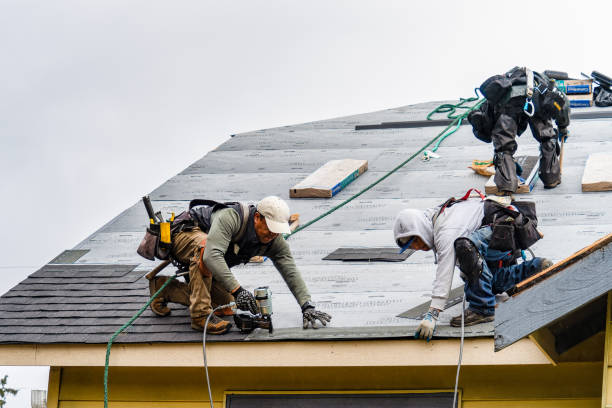
By proactively ordering roofing materials before beginning a project, contractors can streamline their operations while saving on both time and costs. This approach not only enhances efficiency but also strengthens client relationships by ensuring timely completion—a win-win scenario for everyone involved in the roofing process.
How Ordering Materials in Advance Can Save Time and Costs in Roofing Projects
Proper planning and management of materials play a critical role in the success of any roofing project. Ordering materials in advance ensures that your project runs smoothly, avoids unnecessary delays, and helps minimize overall costs. Below, we’ll delve into the key reasons why advance ordering is beneficial and how you can effectively implement this practice.
Benefits of Ordering Materials Ahead of Time
- Roofing projects often face unexpected delays when essential materials are out of stock or unavailable at the last minute.
- By placing orders early, contractors can secure the required materials well before they are needed on-site.
- Many suppliers offer cost savings for bulk purchases made in advance.
- Early ordering provides opportunities to negotiate better pricing terms, reducing overall material expenses.
- Ordering ahead allows contractors to source all necessary roofing components from the same supplier or batch, maintaining consistency throughout the project.
- This is especially important for aesthetic roofing materials like shingles or tiles where slight differences can impact the final look.
- Last-minute orders may require expedited shipping, which increases transportation costs significantly.
- Planning material needs early enables more affordable standard shipping options.
- Having all required materials on-site before work begins eliminates downtime waiting for supplies to arrive.
- Workers and subcontractors can focus entirely on completing their tasks without interruptions.
Steps to Successfully Order Materials in Advance
- Consult your blueprints or plans to compile a comprehensive list of everything required for the project — from shingles and underlayment to fasteners and tools.
- Establish relationships with trustworthy suppliers who have a track record of timely deliveries and high-quality products.
- Certain times of the year may see high demand for specific roofing materials (e.g., storm seasons). Anticipating these trends ensures you avoid stock shortages.
- Always account for potential wastage or unforeseen issues by ordering slightly more than your calculated requirements.
- Track Supplier Lead Times
| Material Type | Typical Lead Time | Notes | |———————–|—————————|——————————-| | Asphalt Shingles | 2-4 weeks | Commonly available but may vary based on color/style selection | | Metal Panels | 3-6 weeks | Custom orders often require longer lead times | | Specialty Tiles | 6-12 weeks | Especially true for imported or handcrafted styles | - Communicate Scheduling Clearly with Suppliers
Clearly outline your project timeline so suppliers understand when deliveries are needed onsite.
Potential Risks of Not Ordering Early
- Increased costs due to emergency purchases at premium rates.
- Extended project timelines resulting from unavailability of key components.
- Customer dissatisfaction caused by unforeseen delays.
- Reduced worker productivity as crews wait idly for shipments.
By taking proactive steps toward advanced material procurement, roofing contractors can improve both efficiency and profitability while ensuring client satisfaction remains high throughout the process.
Creating a Detailed Timeline for Seamless Roofing Contractor Management
A well-structured timeline is essential for ensuring the smooth execution of any roofing project. Proper planning and scheduling can help contractors avoid delays, manage resources effectively, and deliver high-quality results. Here’s an in-depth look at how to create a detailed timeline to optimize roofing contractor management.
Key Components of a Roofing Project Timeline
- Conduct a site inspection to evaluate existing roof conditions.
- Consult with clients to understand their expectations, budget, and desired materials.
- Identify key project requirements, including permits or special approvals.
- Finalize material choices based on client preferences and structural needs.
- Research suppliers for competitive pricing and availability.
- Set clear deadlines for ordering materials to avoid delivery delays.
- Schedule inspections or testing as required by local building codes.
- Organize tools, equipment, and workforce assignments.
- Confirm weather forecasts are favorable during the desired construction period.
- Allocate specific timeframes for removing old roofing (if applicable).
- Assign deadlines for installation of underlayment, shingles, flashing, etc.
- Schedule quality control checks at various stages to ensure compliance with safety standards.
- Conduct a final walkthrough with the client to address any concerns.
- Ensure all debris is removed from the site.
- Provide maintenance tips or warranty details before closing out the job.
Benefits of Using a Detailed Timeline
- Minimized Delays: Proactive scheduling keeps tasks on track while identifying potential bottlenecks early.
- Improved Resource Allocation: Contractors can allocate crews efficiently by knowing exactly when each task will commence or finish.
- Enhanced Client Communication: A structured timeline keeps clients informed about progress and helps set realistic expectations.
Sample Project Timeline Table
| Phase | Task Description | Estimated Duration | Deadline |
| Initial Consultation | Site inspection & estimates | 2 days | Day 2 |
| Procurement | Order materials | 5 days | Day 7 |
| Preparation | Tool/equipment setup | 1 day | Day 8 |
| Roofing Installation | Shingle replacement | 4 days | Day 12 |
| Quality Check | Inspection & fixes | 1 day | Day 13 |
| Final Cleanup | Debris removal & review | 1 day | Day 14 |
Tips for Effective Timeline Implementation
- Regularly review timelines during weekly meetings for status updates.
- Use software tools like Microsoft Project or dedicated construction management apps for real-time tracking.
- Incorporate flexibility by accounting for weather disruptions or other unforeseen challenges.
By adhering to these guidelines while creating timelines, roofing contractors can deliver projects on time without compromising quality—a critical factor in maintaining their reputation within this competitive industry.
Understanding the Impact of Weather When Planning Your Next Roofing Project
Weather plays a critical role in the success of any roofing project. Whether you’re repairing a small section or installing a completely new roof, understanding and accounting for weather conditions is essential to avoid delays, costly mistakes, and safety hazards. Here’s an in-depth look at why weather matters and how to navigate its impact effectively.
Why Weather Matters in Roofing Projects
- Worker Safety: Wet or icy roofs increase the risk of slips and falls, while extreme heat can lead to dehydration or heat stroke.
- Material Performance: Many roofing materials, such as asphalt shingles or adhesives, require certain temperature ranges to install correctly.
- Project Delays: Rainstorms or high winds can halt work altogether, leaving projects behind schedule.
- Structural Complications: Moisture from unexpected rain may seep into exposed areas, risking structural damage.
Common Weather Challenges in Roofing
| Weather Condition | Impact on Roofing | Tips to Manage the Challenge |
| Rain | Delays work; water can damage exposed structures | Cover exposed areas with tarps; reschedule when necessary |
| High Winds | Dangerous for workers; may blow away materials | Secure lightweight materials; have wind-resistant setups |
| Extreme Heat | Poses health risks; affects adhesive curing | Schedule early morning work; provide hydration stations |
| Snow/Ice | Slippery surfaces make working unsafe | Clear snow/ice before starting; use safety harnesses |
| Cold Temperatures | Materials like sealants may not adhere properly | Use products rated for low temperatures |
Tips for Effective Weather Planning
- Consult Long-Term Weather Forecasts
Use reliable sources like meteorological websites or apps to monitor upcoming weather patterns during your project timeline. - Build Flexibility into Your Schedule
Account for unforeseen delays by adding buffer days into your project plan. - Invest in Protective Measures
Have tarps, temporary sheltering systems, and water-resistant covers readily available to shield unfinished sections from precipitation. - Train Workers on Safety Protocols
Educate your crew about working safely under different weather conditions—such as recognizing heat-related illness symptoms or using fall-prevention equipment during icy conditions. - Communicate with Clients Regularly
Keep clients informed about potential delays due to inclement weather and provide them with updated timelines when necessary. - Choose Materials Wisely Based on Climate
Select roofing materials that are durable under local climate conditions (e.g., metal roofs for areas prone to heavy rains).
The Value of Seasonal Timing
- Spring: Frequent rain showers may cause interruptions but generally offer moderate temperatures ideal for installation.
- Summer: Extended daylight hours allow longer workdays but require precautions against heat stress.
- Fall: Cooler temperatures offer ideal roofing conditions, though early snowfalls could be an issue in northern climates.
- Winter: Cold-weather challenges make this season less optimal unless absolutely necessary repairs arise.
By carefully considering these factors when planning your next roofing project, you’ll minimize setbacks caused by unpredictable elements while ensuring quality results that stand the test of time.
Understanding the Impact of Weather When Planning Your Next Roofing Project
Weather plays a crucial role in the success of any roofing project. Failing to account for its impact can lead to delays, increased costs, and compromised safety. Proper planning with weather considerations in mind can mitigate these risks and ensure a smoother project timeline. Below are key aspects to keep in mind when it comes to weather and roofing projects.
Why Weather Matters in Roofing Projects
Roofing work is highly sensitive to weather conditions due to the need for safe installation and the durability of materials being used. Factors such as rain, wind, extreme heat, or snow can disrupt various stages of a roofing project. Poor planning around weather conditions may result in:
– Reduced worker safety on slippery or unstable surfaces
– Premature wear or damage to materials due to exposure during installation
– Delays that disrupt overall project timelines
– Increased labor costs associated with rescheduling tasks
Understanding the local climate and seasonal patterns allows contractors to better anticipate potential challenges and avoid unnecessary setbacks.
Key Weather Factors To Consider
| Weather Factor | Potential Impact on Roofing Projects | Mitigation Strategies |
| Rain | Can delay installation; water damage risk during open roof stages | Use tarps/tent systems; schedule work during dry periods |
| Wind | Safety risks for workers; difficulty handling lightweight materials | Monitor wind advisories; secure materials |
| Snow/Ice | Slippery surfaces increase safety hazards | Postpone work during severe snowstorms |
| Extreme Heat | Risk of heat exhaustion for workers; some adhesives may cure too fast | Schedule work early morning or late afternoon |
Best Practices for Incorporating Weather into Project Planning
- Leverage Historical Data
Research historical weather patterns in your region. This provides insight into which months are generally more favorable for roofing projects. For example, spring or early fall may offer milder conditions compared to peak summer or winter months. - Use Advanced Forecasting Tools
Utilize reliable weather apps or subscription-based forecasting services designed for construction professionals. These tools provide real-time updates and long-term forecasts that help with scheduling adjustments. - Build Flexibility Into Your Timeline
Account for potential bad weather days by adding buffer time into your project schedule. This prevents cascading delays when unexpected conditions force temporary pauses. - Communicate With Clients
Educate clients about how adverse weather may affect timelines and budgets upfront so they have realistic expectations throughout the process. - Invest in Weather-Protective Gear
Equip your crew with appropriate gear such as waterproof clothing, non-slip boots, and sun protection equipment if working under challenging conditions is unavoidable.
Final Thoughts on Navigating Weather Challenges
By proactively addressing how different types of weather could influence your roofing project, you not only reduce risks but also enhance efficiency and maintain client trust. Proper preparation ensures that both safety standards are upheld while remaining as close as possible to budgeted timelines despite changing environmental factors.
- Essential Commercial Roofing Safety Practices to Protect Your Property
- How Commercial Roofing Solutions Can Enhance Property Value with Strategic Upgrades
- How to Choose Commercial Roofing Experts Based on Years in Business
- 7 Most Important Questions to Ask a Commercial Roofing Contractor Before Hiring
- How to Choose the Right Commercial Roofing Contractor for Your Needs
- Top 7 Essential Tips for Hiring a Commercial Roofing Contractor
- Top 5 Most Common Roofing Problems and How a Commercial Roofing Contractor Can Address Them
- 6 Common Roof Problems and How a Commercial Roofing Contractor Experts Can Solve Them
- 6 Common Roof Problems and How Commercial Roofing Experts Solve Them