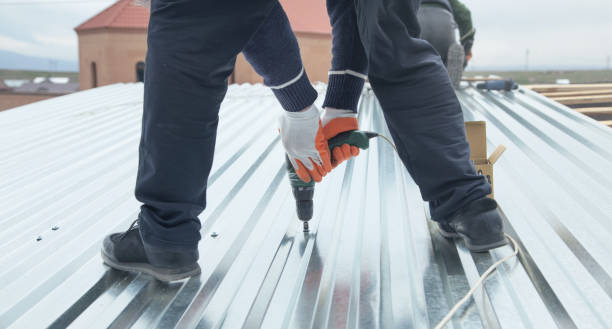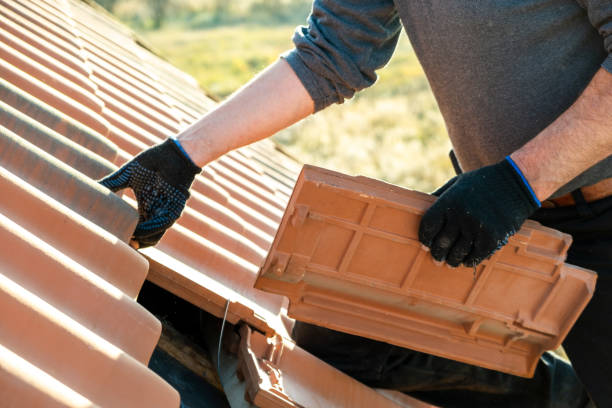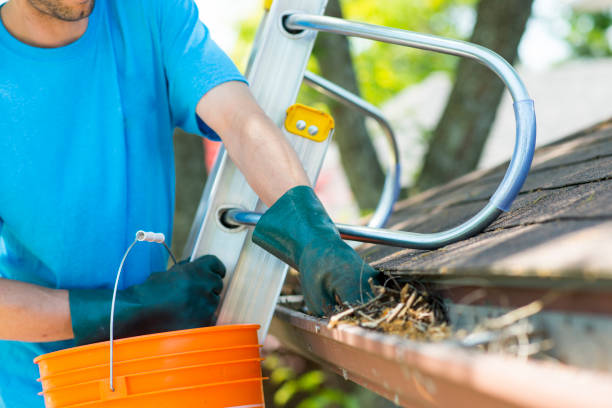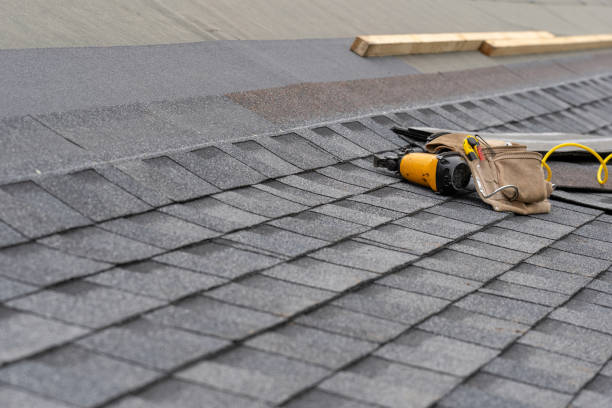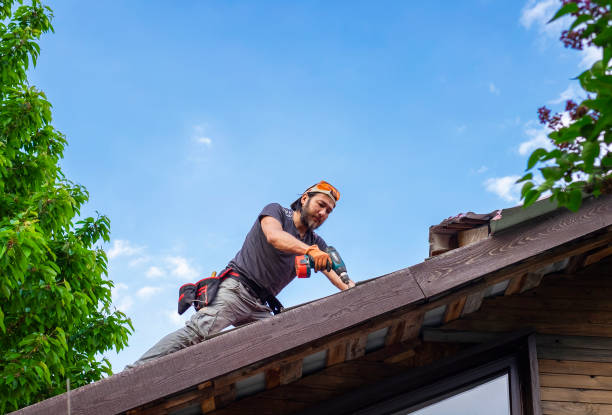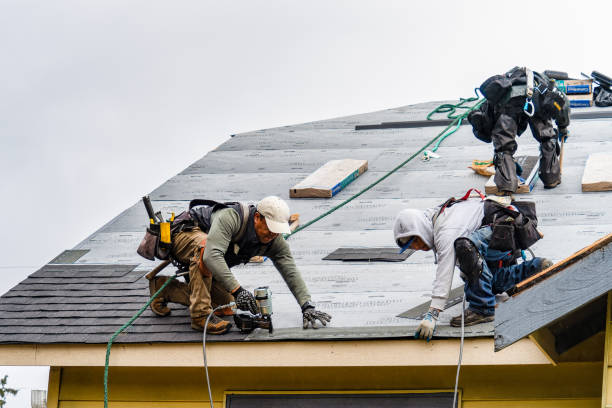
Roof maintenance is an essential part of homeownership, but it also comes with potential risks if proper safety measures are not followed. Whether you’re inspecting your roof, cleaning gutters, or arranging for repairs, it’s crucial to prioritize safety. This guide outlines essential roofing safety practices that every homeowner should know to protect both their property and themselves.
Why Roofing Safety is Important
Roof work involves height, uneven surfaces, and potentially dangerous tools. Neglecting safety measures can lead to serious injuries or damage to your property. As a homeowner, being aware of these risks can help you take the right precautions.
General Roofing Safety Tips
- Use Proper Gear: Wear sturdy, non-slip shoes with good grip to prevent falls. A hard hat and safety goggles are also recommended when working on or near your roof.
- Secure Ladders Correctly: Always ensure your ladder is on stable ground and securely positioned at the correct angle (about 75 degrees). Use ladder stabilizers if possible.
- Avoid Working Alone: Have someone nearby who can assist in case of an emergency or hold the ladder steady while you climb.
- Check Weather Conditions: Avoid roof work during rain, snow, or windy conditions as these increase the risk of slipping or losing balance.
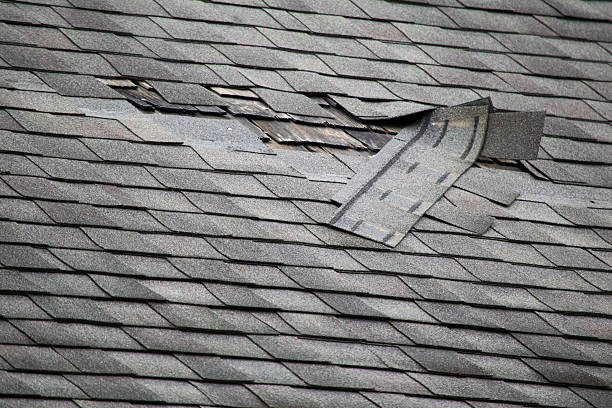
- Schedule Routine Inspections: Regularly check for damage such as loose shingles, cracks, or signs of wear to avoid more significant problems later.
Tools Homeowners Should Have for Roof Maintenance
| Tool | Purpose | Safety Benefit |
| Sturdy Ladder | Provides safe access to the roof | Reduces risk of falling |
| Roof Harness | Secures you while working at height | Prevents accidental falls |
| Non-slip Footwear | Ensures stability on slippery surfaces | Minimizes slipping incidents |
| Flashlight | Illuminates dark areas during inspection | Helps identify issues safely |
| Gutter Scoop | Removes debris without climbing too far onto the roof | Keeps you in safer positions |
Partnering with Professionals
While small tasks like gutter cleaning may sometimes be handled by homeowners with proper precautions, larger jobs such as repairs or replacements require professional expertise. Roofing contractors are trained to navigate hazards and use specialized equipment safely.
When hiring a contractor:
– Verify they have valid licenses and insurance coverage.
– Ensure they follow OSHA (Occupational Safety and Health Administration) regulations.
– Ask about their safety protocols before starting any project.
Additional Considerations for Property Protection
In addition to personal safety practices, don’t overlook ways to protect your home from roofing-related damage:
– Cover landscaping features below your roof before starting work to prevent debris from causing harm.
– Use tarps as needed when performing patchwork repairs during rainy seasons.
– Trim overhanging tree branches regularly to reduce potential damage from falling limbs.
By following these roofing safety practices and knowing when to call in professionals, you can maintain both a safe environment for yourself and a reliable barrier against weather-related damage for your home. Preventative care combined with responsible decision-making ensures long-term protection for one of your home’s most critical assets—the roof.
Top Questions to Ask Your Commercial Roofing Contractor Before Hiring for Your Project
Hiring the right roofing contractor is a critical decision for the success of your project. Asking the right questions can help you assess their qualifications, experience, and professionalism. Here are the essential questions to ask before signing any agreement.
1. Are You Licensed and Insured?
Before hiring a roofing contractor, confirm that they are licensed and insured. A valid license ensures that the contractor meets local or state regulations regarding roofing work. Insurance, on the other hand, protects both you and their workers in case of accidents or damage during the project.
- Ask for Proof: Request copies of their license and general liability insurance.
- Verify Coverage: Ensure their insurance includes worker’s compensation to avoid legal liabilities.
2. How Long Have You Been in Business?
Experience is key when selecting a contractor. Roofing projects can be complex, and working with an experienced professional reduces risks associated with poor workmanship.
- Companies with years of experience have likely worked on projects similar to yours.
- An established business is more likely to provide warranties and post-project support.
Pro Tip: Check online reviews or request references from previous clients to validate their track record.
3. Can You Provide References or Examples of Past Work?
Seeing examples of previous work gives insight into a contractor’s quality standards and style. Reliable contractors are always willing to share references or showcase photos of completed jobs.
Questions to Ask References:
– Was the project completed on time?
– Were there any unexpected costs?
– Would you hire this contractor again?
4. What Roofing Materials Do You Recommend for My Home?
- The pros and cons of different materials (e.g., asphalt shingles vs metal roofing).
- Manufacturer warranties associated with each product.
- Recommendations based on your region’s climate or specific needs.
Having this discussion shows whether they prioritize long-term solutions over quick fixes.
5. What Does Your Warranty Cover?
| Warranty Aspect | Questions to Clarify |
| Materials Warranty | What damages or defects does it cover? |
| Workmanship Warranty | How long is the coverage period? |
| Transferability | Can I transfer this warranty if I sell my home? |
Understanding warranty terms ensures you’re protected against future problems caused by faulty installation or materials.
6. How Do You Handle Unexpected Issues During a Project?
Roofing projects often uncover hidden problems such as rotting wood or structural damage once work begins. It’s important to know how your contractor approaches unforeseen challenges.
Key Points to Cover:
– Will additional repairs require approval before proceeding?
– Are cost adjustments clearly communicated in writing?
Transparent communication prevents potential disputes over unexpected costs later in the project timeline.
7. What Is Your Estimated Timeline for Completion?
- Confirm whether weather conditions might impact progress.
- Discuss contingency plans for unavoidable delays.
Additionally, inquire about how quickly they respond if any issues arise after project completion (e.g., leaks).
By asking these key questions, you can confidently select a qualified roofing contractor like https://swcommercialroofing.com who fits your needs while avoiding costly mistakes during your project journey.
Essential Questions to Ask When Hiring Commercial Roofing Services
1. Are You Licensed and Insured?
A reputable roofing contractor should hold proper licenses and insurance coverage. Licensing requirements vary by state, so confirm that they comply with local laws. Additionally, their insurance should include:
– General liability: Protects your property in case of damage during the project.
– Workers’ compensation: Covers any injuries sustained by workers on your property.
Without these, you could be held financially responsible for accidents or damages.
2. What Is Your Experience with Similar Projects?
Ask how long they have been in the roofing business and if they have experience working on projects that align with your specific needs.
For example:
– Do they specialize in residential or commercial roofs?
– Are they experienced in materials like asphalt shingles, metal roofing, or tile?
Look for a contractor who has a proven track record of handling similar projects successfully.
3. Can You Provide References or Examples of Past Work?
Request references from previous clients or ask to see photos of completed projects. Speaking directly with past customers can give you insight into their professionalism, quality of work, and timeliness.
Questions to ask references might include:
– Were you satisfied with the final outcome?
– Did the contractor stick to the timeline and budget?
– Were there any unexpected challenges during the project?
4. What Does Your Warranty Cover?
A solid warranty provides peace of mind in case issues arise after installation or repairs are completed. Confirm what is included in both parts of the warranty:
– Material warranty: Covers defects in materials used (often provided by manufacturers).
– Workmanship warranty: Covers errors made during installation or repair work.
Clarify how long each warranty lasts and what actions void coverage.
| Warranty Type | Coverage Focus | Typical Duration |
| Material Warranty | Manufacturer’s defects | 10–50 years |
| Workmanship Warranty | Installation issues | 1–10 years |
5. How Will Payments Be Structured?
Understanding payment terms is vital before committing to any project. Avoid contractors who request full payment upfront.
A typical structure includes:
– An initial deposit (around 10–30% of total cost).
– Progress payments as milestones are reached during the project.
– Final payment upon inspection and completion.
Be wary of contractors unwilling to provide detailed estimates or written contracts outlining costs.
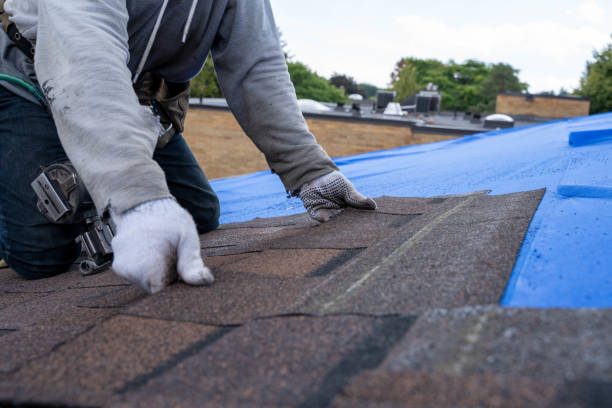
6. What Safety Measures Will You Implement During My Project?
Roofing projects come with inherent risks, so it’s important that your contractor prioritizes safety protocols such as:
– Using appropriate scaffolding and harnesses.
– Adhering to OSHA (Occupational Safety & Health Administration) standards.
– Ensuring proper cleanup after replacing old materials.
Ask about their approach to protecting landscaping, gutters, and other parts of your property during construction work.
7. How Long Will My Roofing Project Take?
Get an estimated timeline based on factors like roof size, material type, weather conditions, and necessary permits. Delays can happen but understanding their proposed schedule helps set realistic expectations upfront.
By asking these critical questions before hiring a roofing contractor, you’ll gain valuable insight into their qualifications and reliability while ensuring transparency throughout the process.
The Step-by-Step Process of Roof Replacement with a Trusted Commercial Roofing Company
Replacing a roof is a significant investment that protects your home and enhances its value. Understanding the step-by-step process of roof replacement can help homeowners navigate this project with ease and confidence. Below is an in-depth look at the key stages involved.
1. Initial Roof Inspection and Assessment
- Missing or damaged shingles
- Signs of water damage or leaks
- Structural concerns like sagging areas
- The type and state of roofing materials currently in use
Based on this assessment, the contractor will recommend whether a full replacement is necessary or if repairs can suffice.
2. Selecting Roofing Materials
- Asphalt Shingles: Cost-effective, versatile, and available in various styles.
- Metal Roofing: Durable, long-lasting, and energy-efficient.
- Slate Tiles: Premium option with high durability but higher initial costs.
- Wood Shakes/Shingles: Natural appearance but requires more maintenance.
A professional contractor can guide you on material options suited to your budget, climate, and personal preferences.
3. Preparing the Worksite
- Removing furniture or valuables from attics to protect them from debris.
- Installing protective coverings over landscaping features like plants and shrubs.
- Ensuring an accessible area for dumpster placement to handle old material disposal.
Roofers also take measures to secure their work environment by setting up ladders safely and inspecting safety equipment.
4. Removing the Old Roof
- All existing shingles are removed carefully.
- Damaged plywood or underlayment is replaced to create a stable base.
This process ensures that any underlying issues are addressed before installing new materials.
5. Installing Waterproofing Layers
| Layer | Purpose |
| Ice & Water Shield | Prevents water penetration in vulnerable areas like valleys or eaves. |
| Roofing Underlayment | Acts as an additional barrier against water damage in case shingles fail. |
These layers significantly enhance your roof’s long-term performance by safeguarding against leaks.
6. Shingle Installation
Once waterproofing layers are in place, roofers begin installing shingles or other chosen materials according to manufacturer specifications. This process involves overlapping techniques to ensure proper drainage while maintaining visual appeal.
7. Final Inspections
- Proper alignment of shingles
- Secure flashing around chimneys, vents, and skylights
- Adequate ventilation systems
Upon passing inspection, homeowners receive warranties that cover both materials and workmanship depending on their agreement with the contractor.
Tips for a Smooth Roof Replacement Process
- Research multiple contractors before signing contracts.
- Ask about clean-up practices after completion (e.g., removing debris).
- Confirm warranties on both labor and materials used.
- Ensure clear communication regarding timelines and project milestones.
By understanding these steps and working with a reputable roofing professional, homeowners can avoid unnecessary stress while achieving a durable and efficient new roof tailored to their needs.
The Hidden Costs of Ignoring Roof Repairs and Why Timely Action Matters
Roof repairs are often overlooked by homeowners until a small issue turns into a significant problem. While it may seem cost-effective to delay repairs, ignoring roof maintenance can lead to hidden costs that far exceed the initial investment needed for timely fixes. Understanding these potential expenses can help homeowners avoid unnecessary financial strain and protect their property.
Escalation of Damage Over Time
Roof issues, such as minor leaks or missing shingles, may appear insignificant at first. However, these problems typically worsen over time if not addressed promptly. Here’s how damage can escalate:
– Water Damage to Interiors: A small leak can allow water to seep into your home’s interior, damaging ceilings, walls, and insulation.
– Structural Issues: Prolonged exposure to water weakens the structural integrity of wooden beams and supports. This kind of damage is often expensive to repair.
– Mold and Mildew Growth: Moisture build-up creates the perfect environment for mold, which poses health risks and requires costly remediation efforts.
Increased Energy Costs
An overlooked roofing issue can significantly impact your home’s energy efficiency.
If there’s damage that creates gaps or openings in your roof system:
– Heated or cooled air escapes more easily.
– HVAC systems are forced to work harder to maintain indoor temperatures. This inefficiency results in higher energy bills over time.
Decreased Property Value
Potential buyers view a poorly maintained roof as a liability during home inspections
If you plan on selling your home but have neglected roof repairs:
– You may need to lower your asking price substantially.
– Buyers might demand immediate replacements or repairs before closing the deal.
Emergency Repairs vs. Scheduled Maintenance
Another hidden cost comes from the difference between emergency repairs and scheduled maintenance: | Type of Repair | Cost Implication | |————————–|——————————————————————————————————-| | Planned Maintenance | Less expensive; allows contractors time for proper assessment and minor corrections | | Emergency Repairs | Higher costs due to urgent scheduling, overtime charges for labor, or temporary fixes during extreme weather |
By addressing issues early on through regular inspections and proactive maintenance, homeowners can avoid these sudden expenses while extending the life of their roofing system.
Voided Warranties
Roofing materials often come with warranties contingent on proper care and regular upkeep. Ignoring necessary repairs might void these warranties entirely—leaving homeowners responsible for all future repair costs.
Tips for Staying Proactive with Roof Repairs
To avoid incurring unnecessary costs due to neglect, consider adopting these practices:
– Schedule annual professional inspections before major weather seasons.
– Look out for visible signs of wear like curling shingles or water stains inside the home.
– Clean gutters regularly to prevent water pooling on your roof’s surface.
– Address minor issues immediately rather than waiting until they become larger problems.
Timely action not only reduces hidden costs but also ensures that your roof continues serving its purpose effectively—protecting both your home and family from external elements year-round.
Choosing the Right Roofing Contractor: Essential Tips for Making the Best Decision
Finding a reliable and skilled roofing contractor is crucial to ensure your roofing project is completed efficiently and with high-quality results. To make the best decision, homeowners need to follow a structured approach when selecting a contractor. Below are essential tips and guidelines to help you make an informed choice.
Research and Verify Credentials
- Check Licenses and Certifications: Ensure the contractor is licensed to operate in your area and has relevant certifications from roofing industry organizations.
- Verify Insurance Coverage: Confirm that they carry both liability insurance and worker’s compensation insurance. This protects you from potential liabilities in case of accidents or damages.
- Look for Industry Affiliations: Contractors affiliated with reputable trade associations, such as the National Roofing Contractors Association (NRCA), often adhere to higher standards.
Ask for References and Reviews
A trustworthy contractor should have a solid reputation supported by past customers’ experiences.
- Request References: Ask for at least three references from recent projects. Reach out to these homeowners to inquire about their satisfaction with the work performed.
- Check Online Reviews: Explore platforms like Google Reviews, Yelp, or Better Business Bureau (BBB) profiles for unbiased feedback about the contractor’s services.
- Ask About Warranties: A reputable contractor will offer warranties on both materials and workmanship. Be sure to understand the terms of these guarantees.
Compare Bids Thoroughly
| Factor | What to Look For |
| Price | Competitive pricing that aligns with market rates |
| Materials | High-quality products suited for your roof type |
| Project Timeline | Reasonable completion time without compromising quality |
| Detailed Breakdown | Clear outline of costs for labor, materials, permits, etc. |
Evaluate Communication Skills
- Does the contractor respond promptly to inquiries?
- Are they open about costs, timelines, and potential challenges?
- Do they provide detailed explanations of technical aspects in layman’s terms?
Contractors who prioritize clear communication are more likely to deliver a smooth experience.
Avoid Red Flags
- Lack of Written Contract: Always insist on a detailed written contract before work begins.
- High-pressure Sales Tactics: Avoid contractors who rush you into signing agreements or making payments.
- Unusually Low Bids: Significantly low estimates could indicate subpar materials or hidden costs.
Schedule On-Site Inspections
An experienced professional will want to inspect your roof before providing an estimate. On-site inspections allow contractors to assess the scope of work accurately while giving you an opportunity to evaluate their expertise firsthand.
By following these steps, you can reduce risks associated with hiring an unqualified roofing contractor while ensuring your project stays on track—both financially and structurally. Remember that investing time upfront in selecting the right professional will save you money, stress, and potential issues down the line.
- Essential Commercial Roofing Safety Practices to Protect Your Property
- How Commercial Roofing Solutions Can Enhance Property Value with Strategic Upgrades
- How to Choose Commercial Roofing Experts Based on Years in Business
- 7 Most Important Questions to Ask a Commercial Roofing Contractor Before Hiring
- How to Choose the Right Commercial Roofing Contractor for Your Needs
- Top 7 Essential Tips for Hiring a Commercial Roofing Contractor
- Top 5 Most Common Roofing Problems and How a Commercial Roofing Contractor Can Address Them
- 6 Common Roof Problems and How a Commercial Roofing Contractor Experts Can Solve Them
- 6 Common Roof Problems and How Commercial Roofing Experts Solve Them