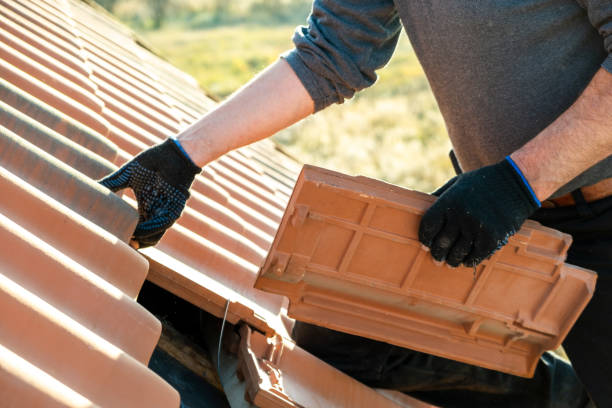
When selecting a roofing contractor, you may notice that many companies highlight the number of years they’ve been in business. This is not just a marketing tactic. The years of experience a roofing contractor has can directly impact the quality, reliability, and overall success of your roofing project. Below, we explore why the number of years in business truly matters when hiring a professional roofing contractor.
Expert Commercial Roofing Services with a Proven Track Record
- A portfolio of completed projects.
- Customer testimonials or lengthy reviews that attest to their professionalism.
- Evidence of consistent work in your community.
This history helps homeowners feel confident about the company’s ability to deliver high-quality results.
Stability and Longevity with a Trusted Commercial Roofing Company
- A permanent business location.
- Strong relationships with suppliers for high-quality materials.
- Well-trained employees who understand how to handle various types of projects.
In contrast, newer or less experienced contractors may lack these critical elements, which could lead to delays or shortcuts during your project.
3. Expertise and Skill Development
- Stay updated on advancements in roofing technology.
- Understand how to handle complex issues like structural damage or custom designs.
- Work efficiently while maintaining safety protocols.
For homeowners, this translates into fewer mistakes, less risk, and better results.
4. Familiarity with Local Conditions
| Factors | Impact on Roofs |
| Weather patterns | Materials chosen must withstand extremes |
| Local building codes | Compliance ensures safety |
| Common architectural styles | Helps match roof aesthetics |
This knowledge allows experienced contractors to recommend solutions tailored specifically for your home and environment.
5. Better Warranty Options
Established companies are more likely to offer comprehensive warranties on both labor and materials. Additionally, because they have been around for many years, they are more likely to honor those warranties down the road should an issue arise.
What To Look For When Assessing Experience
- Have they handled projects similar in size and scope?
- How do they train their team members over time?
- Can they provide references spanning multiple years?
By digging deeper into their history, you can confirm whether their experience aligns with your project needs.
Hiring an experienced roofing contractor may require an upfront investment compared to newer or unproven companies, but the long-term benefits—such as durability, safety, and peace of mind—make it well worth it.
5 Key Benefits of Hiring a Roofing Contractor with Over a Decade of Experience
When it comes to roofing projects, experience matters. A contractor with over a decade of experience brings priceless expertise and reliability to the table, ensuring that your roofing needs are met with professionalism and quality craftsmanship. Below are five key benefits of working with an experienced roofing contractor.
1. Proven Track Record of Quality Work
- Positive customer reviews: Long-standing professionals often have numerous testimonials from satisfied clients.
- Portfolio of completed projects: Experienced contractors can showcase a wide array of projects, highlighting their ability to handle different roofing styles and challenges.
- Repeat business and referrals: Contractors who consistently deliver quality work often gain repeat customers and word-of-mouth recommendations.
This extensive history demonstrates reliability, commitment to excellence, and the ability to adapt to various roofing requirements.
2. Expertise in Diverse Roofing Systems
Their expertise ensures they can recommend the best solutions tailored to your home’s specific needs while avoiding common mistakes associated with less-experienced installers.
3. Familiarity with Local Building Codes and Regulations
- Ensure compliance with zoning laws.
- Obtain necessary permits efficiently.
- Handle inspections seamlessly.
An experienced professional reduces the risk of costly fines or delays caused by non-compliance.
4. Ability to Troubleshoot Complex Problems
| Common Issues | Insights from Experienced Contractors |
| Leaks | Determining if water damage stems from flashing or underlayment failure |
| Poor ventilation | Recognizing inadequate airflow causing moisture buildup |
| Structural concerns | Diagnosing damage caused by sagging or weak roof support |
Their problem-solving abilities ensure effective long-term solutions rather than quick fixes that lead to future complications.
5. Superior Warranties and Customer Support
- Manufacturer warranties: Backing on materials due to established relationships with suppliers.
- Workmanship guarantees: Confidence in their installation quality based on extensive experience.
Additionally, seasoned professionals are more likely to provide dependable customer service for ongoing maintenance or addressing post-installation concerns.
Hiring an experienced roofing contractor not only provides peace of mind but also significantly increases the likelihood that your project will be completed efficiently, on time, and within budget. When searching for a contractor for your next project, prioritize those who bring both time-tested skills and proven expertise to ensure optimal results for your home’s most important protective feature—its roof.
Storm Chasing in the Roofing Industry: What Homeowners Need to Know to Protect Themselves
In the roofing industry, “storm chasing” refers to contractors who travel to areas recently impacted by severe weather events, such as hailstorms, hurricanes, or tornadoes, offering their services to repair damaged roofs. While some storm-chasing contractors may provide legitimate services, many others engage in dishonest practices that can leave homeowners with subpar work or financial losses. Understanding how storm chasing works and recognizing red flags can help you make informed decisions and protect your home.
Why Are Storm Chasers Problematic?
- Lack of Local Reputation: Many storm chasers are out-of-town companies with no local presence. They may complete work and then leave the area, making it difficult for homeowners to address warranty issues or additional repairs.
- High-Pressure Sales Tactics: Some contractors use aggressive sales techniques to pressure homeowners into signing contracts without fully understanding the terms.
- Low-Quality Materials and Workmanship: To maximize profits quickly, storm chasers may cut corners by using inferior materials or untrained workers.
- Limited Accountability: Since they often operate without a permanent local office or established reputation, pursuing recourse for unsatisfactory work can be nearly impossible.
How to Identify a Storm Chaser
- Contractors from outside your area may show up in large numbers after severe weather events. Be cautious of companies with out-of-state license plates or phone numbers.
- Legitimate roofing companies typically do not rely on door-to-door sales tactics. If someone approaches your home uninvited claiming you have roof damage, verify their credentials before engaging further.
- Reputable roofing contractors should have an established business location nearby and be able to provide references from other homeowners in your community.
- Be wary of anyone urging you to sign an agreement on the spot or insisting that repairs must happen immediately due to safety concerns.
- Avoid any contractor who refuses to give you detailed documentation outlining the scope of work and associated costs.
Tips for Protecting Yourself
- Work with Local Businesses: Choose contractors based in your area who have an established track record within your community.
- Check Licensing and Insurance: Verify that the company holds proper licensing and insurance coverage required by your state or local government.
- Request Multiple Estimates: Compare quotes from several reputable contractors before making a final decision.
- Research Reviews and References: Look up customer reviews online through platforms like Google Reviews or Better Business Bureau (BBB). Ask for references from recent clients as well.
- Avoid Paying Upfront: Reputable companies typically won’t require full payment before starting work. A reasonable deposit followed by progress payments is standard practice.
Sample Comparison Table
| Feature/Attribute | Local Roofers | Storm Chasers |
| Business Location | Permanent office nearby | Temporary base (often out-of-state) |
| Warranty Support | Readily available | Difficult/impossible |
| Sales Approach | Scheduled consultations | Aggressive door-to-door tactics |
| Quality Assurance | Uses high-quality materials | May cut corners |
By staying vigilant against common tactics used by storm-chasing roofing contractors, you can better protect yourself from scams while ensuring your home receives quality repairs from trustworthy professionals. Your roof is one of the most critical components of your house—investing time in selecting a reliable contractor will save you money and stress in the long run.
Roofing Contractor Certifications: Which Credentials Truly Matter for Quality Work?
When hiring a roofing contractor, certifications play a critical role in ensuring quality work and professionalism. With numerous contractors available, understanding which credentials are legitimate and essential can help you make an informed decision. Below, we’ll explore the most important certifications, what they signify, and how they contribute to a successful roofing project.
Why Certifications Matter in Roofing
- Provide high-quality craftsmanship.
- Follow proper installation techniques.
- Meet or exceed local building codes.
- Offer warranties backed by manufacturers or professional organizations.
By working with certified professionals, homeowners reduce the risks of subpar work or costly repairs over time.
Must-Have Roofing Contractor Certifications
- Manufacturer-Specific Certifications
Many leading roofing material manufacturers offer certification programs for contractors who undergo specialized training with their products. Examples include: - GAF Master Elite® Certification: Indicates advanced training and proficiency in GAF product installations. Only 2% of contractors nationwide achieve this designation.
- Owens Corning Preferred Contractor: Demonstrates expertise in Owens Corning materials and adherence to specific quality guidelines.
- CertainTeed SELECT Shingle Master™: Guarantees comprehensive knowledge of CertainTeed products and installation techniques.
- National Roofing Contractors Association (NRCA) Membership
Contractors who are NRCA members have access to up-to-date information on industry standards and safety guidelines. While not a certification itself, NRCA membership signals professionalism within the roofing industry. - Occupational Safety and Health Administration (OSHA) Training
Safety is paramount in any construction-related field. Contractors with OSHA training demonstrate awareness of workplace safety regulations, reducing the likelihood of accidents on your property. - State Licensing Requirements
Most states require roofers to hold specific licenses to operate legally. Ensure your contractor has: - A valid license number issued by your state or local government agency.
- Proof of compliance with insurance requirements (general liability insurance and workers’ compensation).
- Certified Green Roofer Designation
For eco-conscious homeowners, choosing a contractor with sustainable practices is vital. The Certified Green Roofer program recognizes professionals committed to energy efficiency and environmentally friendly materials.
Red Flags Indicating Lack of Proper Credentials

When evaluating contractors, watch out for these warning signs:
– No proof of licensing or expired licenses.
– Vague responses about training or certifications.
– Reluctance to provide manufacturer warranty details.
– Lack of reviews from past clients tied specifically to certified work.
Summary Table: Key Certifications at a Glance
| Certification/Designation | What It Represents | Why It’s Important |
| GAF Master Elite® | Advanced GAF product expertise | Ensures proper installation/warranty coverage |
| Owens Corning Preferred Contractor | Proficiency with Owens Corning systems | High-quality workmanship |
| CertainTeed SELECT Shingle Master™ | Expertise in CertainTeed materials | Professional-grade installations |
| OSHA Training | Knowledge of workplace safety | Prevents accidents during the project |
| State Licensing | Meets legal requirements | Operates legally within your state |
A certified roofing contractor brings professionalism, trustworthiness, and expertise to your project while ensuring compliance with legal standards and manufacturer’s guidelines. Prioritizing credentials during your hiring process minimizes risks while maximizing long-term satisfaction with your roof investment.
How to Identify and Avoid Roofing Scams with a Commercial Roofing Contractor
The roofing industry, like many others, is not immune to unethical practices. Homeowners are frequently targeted by unscrupulous contractors who rely on deceptive tactics to take advantage of unsuspecting individuals. Learning how to identify and avoid common roofing scams is crucial for protecting your investment, ensuring quality work, and avoiding unnecessary stress.
Common Roofing Scams to Watch Out For
- Storm Chaser Scams
After a major storm or natural disaster, you may encounter contractors going door-to-door claiming your roof has sustained damage. These “storm chasers” often pressure homeowners into signing contracts quickly without providing proper inspection reports or proof of damage. - Upfront Payment Fraud
Some roofers demand large upfront payments before starting the work. Once paid, they may disappear without completing—or even beginning—the job. - Unnecessary Repairs
Dishonest contractors might exaggerate or fabricate damage that doesn’t exist to upsell unnecessary repairs or a complete roof replacement. - Low-Ball Estimates
Some companies offer suspiciously low estimates to secure your business but later inflate costs through hidden fees or bogus “unexpected issues” discovered during the project. - Using Substandard Materials
Contractors with unethical practices might cut corners by using inferior materials while charging you for premium products.
Red Flags That Indicate a Potential Roofing Scam
- High-Pressure Sales Tactics: Contractors insisting that you sign a contract immediately before “special pricing” expires.
- No Licensing or Insurance Proof: Refusal or inability to provide proof of licensing and insurance.
- Lack of Written Contract Details: A reluctance to put the terms, costs, and timeline in writing.
- No Physical Office Address: Companies that lack a verifiable office location or online presence.
- Cash Payments Only: Requesting cash payments instead of checks or credit cards can indicate an attempt to avoid accountability.
- Out-of-State Plates/Temporary Setups: Storm chasers often arrive in town with unmarked vehicles and no long-term local ties.
How Homeowners Can Protect Themselves
Research Thoroughly
- Verify licenses and certifications with local regulatory bodies.
- Look up reviews on platforms such as Google, Yelp, and Better Business Bureau (BBB).
- Request referrals from friends, family members, or neighbors who have had successful roofing projects completed recently.
Insist on Documentation
Make sure all aspects of your project are clearly documented in a written contract:
– Cost breakdown
– Materials being used (with brand names if possible)
– Project timeline
– Warranty details (for both materials and labor)
Get Multiple Estimates
Obtain at least three estimates from reputable contractors for comparison purposes. Be wary of bids that seem unusually low compared to others; they could be too good to be true.
Verify Insurance Coverage
Ask for proof of liability insurance as well as workers’ compensation coverage for their employees. This protects you from being held financially responsible if an accident occurs during the project on your property.
Sample Comparison Table: Low-Ball vs Professional Estimate
| Criteria | Low-Ball Estimate | Professional Estimate |
| Price | Unusually low | Fair market value |
| Contract Details | Vague | Clear terms provided |
| Material Quality | Unspecified | High-quality materials specified |
| Timeline | Unrealistically fast | Reasonable completion timeframe |
Taking these steps not only ensures peace of mind but also enhances long-term satisfaction with your roofing investment while protecting yourself against costly mistakes caused by unethical contractors. Always hire professionals who uphold high industry standards so that both safety and quality remain uncompromised in this critical aspect of home maintenance.
Protecting Yourself Against Roofing Scams: Recognizing Fake Damage Tactics by Dishonest Contractors
Homeowners may encounter roofing contractors who use deceitful tactics to take advantage of their lack of industry knowledge. Fake damage claims are one of the most common scams employed by dishonest contractors. Understanding these tactics and knowing how to recognize them can help you protect your investment and ensure your roof is properly maintained. Here’s an in-depth look at identifying these schemes.
Common Fake Damage Tactics
- High-Pressure Sales Pitches: Fraudulent contractors may create a sense of urgency by claiming your roof is severely damaged and must be repaired immediately.
- Inflated Damage Reports: They might exaggerate the extent of wear and tear or fabricate issues to justify costly repairs or replacements.
- Unsolicited Inspections: Some scammers offer unsolicited “free inspections” and then report non-existent or exaggerated damage to pressure you into hiring them.
- Fake Photographs: Contractors might show photos of damage that isn’t actually from your roof, misleading you into believing repairs are necessary.
- Claiming Insurance Approval: They may falsely assure you that your insurance will cover all costs, only for you to later discover otherwise.
Steps to Identify Roofing Scams
- Check for valid licensing, insurance coverage, and professional certifications.
- Look for affiliations with reputable organizations like the National Roofing Contractors Association (NRCA).
- Ask for written inspection reports that clearly detail any alleged damage.
- Request before-and-after photos for verification purposes.
- Seek evaluations from multiple contractors to compare findings and quotes.
- Be wary if one contractor reports significant damage while others find minimal issues.
- Speak with previous clients or check online reviews on trusted platforms.
- Avoid companies with consistent negative feedback related to dishonesty.
- Be cautious if a contractor shows up at your door after a storm offering immediate inspections or repairs.
- Research their background thoroughly before agreeing to any work.
Sample Table: Red Flags vs Legitimate Practices
| Red Flags | Legitimate Practices |
| Insists on upfront payment | Offers clearly outlined payment terms |
| Provides vague inspection reports | Delivers detailed findings with evidence |
| Creates unnecessary urgency | Gives you time to make informed decisions |
| No verifiable credentials | Displays licenses, insurance, & references |
What Homeowners Can Do Next
Arming yourself with knowledge is critical in avoiding roofing scams. Stay informed about your roof’s condition through regular professional inspections by trustworthy contractors. If a contractor’s behavior raises suspicion, do not hesitate to seek clarification or decline their services altogether.
By remaining vigilant and adopting these preventative measures, homeowners can minimize the risk of falling prey to fake damage tactics commonly used by dishonest roofing contractors.
How to Choose the Right Roofing Contractor for Your Home Improvement Project
Selecting the right roofing contractor for your home improvement project is a critical decision that can impact the longevity, safety, and value of your home. A well-chosen contractor ensures quality work, adherence to industry standards, and peace of mind throughout the project. Here are some essential factors and steps to consider when choosing a roofing contractor.
Researching Potential Contractors
- Online reviews: Check platforms like Google Reviews, Better Business Bureau (BBB), or Yelp for customer feedback.
- Referrals: Ask neighbors, friends, and family about their experiences with local contractors.
- Local presence: Choose contractors with an established office in your community to ensure they are accessible if follow-up work is needed.
Key Criteria for Evaluating Roofing Contractors
- Verify that the contractor has a valid license to operate in your state or region.
- Ensure they carry both liability insurance and workers’ compensation insurance to protect against damages or accidents.
- Look for contractors with at least 5–10 years of experience in the industry.
- Contractors with extensive experience are more likely to deliver quality results and handle unexpected challenges effectively.
- Check for manufacturer certifications (e.g., GAF Master Elite®, CertainTeed Select Shingle Master™) as these indicate advanced training and expertise.
- Confirm whether the contractor offers both workmanship warranties (covering labor) and product warranties (from manufacturers).
Questions to Ask During Consultations
- How long have you been in business?
- Can you provide references from past clients?
- What roofing materials do you recommend for my project, and why?
- What steps will you take to protect my property during installation or repairs?
Requesting Detailed Estimates
| Estimate Component | Details |
| Scope of Work | Description of tasks involved in repair or replacement |
| Materials | Type, brand, and quantity of roofing materials |
| Labor Costs | Breakdown of labor charges |
| Timeline | Estimated start date and project duration |
| Payment Terms | Deposit requirements and payment schedule |
Avoid choosing solely based on price; instead, focus on value by weighing cost against experience, certifications, warranty coverage, and material quality.
Red Flags to Watch For
- Lack of proper licensing or insurance.
- High-pressure sales tactics aimed at rushing decisions.
- Requests for full payment upfront before starting work.
- Inability or unwillingness to provide references or documentation.
Finalizing Your Decision
Once you’ve conducted thorough research and compared estimates carefully, choose a contractor who aligns with your goals, budget, and expectations. Make sure all terms are clearly outlined in a written contract before any work begins.
Choosing the right roofing contractor takes diligence but ensures that your investment leads to long-lasting results that enhance both the function and aesthetic appeal of your home.
- Essential Commercial Roofing Safety Practices to Protect Your Property
- How Commercial Roofing Solutions Can Enhance Property Value with Strategic Upgrades
- How to Choose Commercial Roofing Experts Based on Years in Business
- 7 Most Important Questions to Ask a Commercial Roofing Contractor Before Hiring
- How to Choose the Right Commercial Roofing Contractor for Your Needs
- Top 7 Essential Tips for Hiring a Commercial Roofing Contractor
- Top 5 Most Common Roofing Problems and How a Commercial Roofing Contractor Can Address Them
- 6 Common Roof Problems and How a Commercial Roofing Contractor Experts Can Solve Them
- 6 Common Roof Problems and How Commercial Roofing Experts Solve Them